Tenerife Airport Crush Emergency Meeting: A Wake-Up Call for Tourism and Safety
Tenerife Airport Crush Emergency Meeting
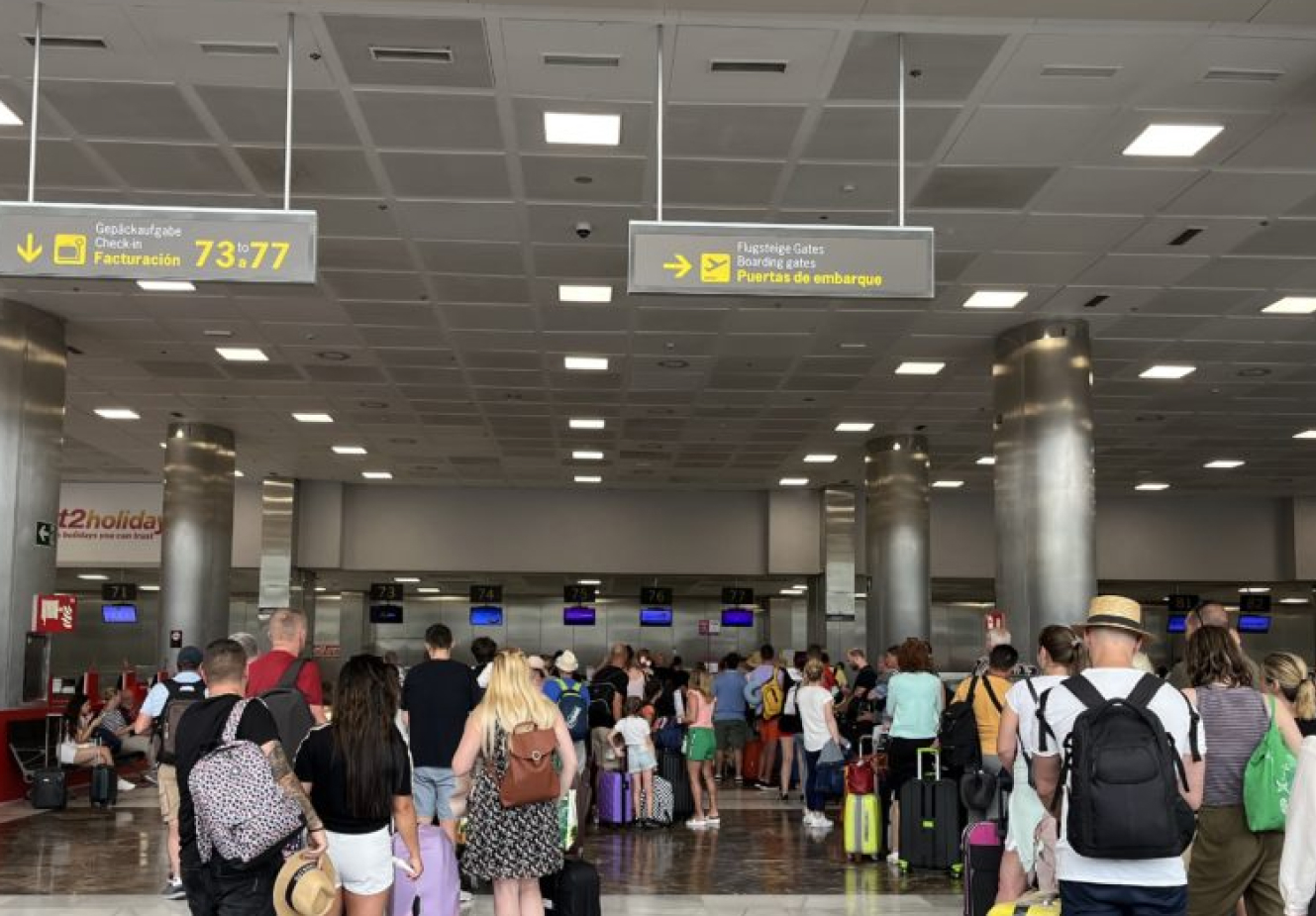
On May 26, 2025, a chaotic scene unfolded at Tenerife South Airport (TFS) as hundreds of British holidaymakers found themselves trapped in overcrowded passport control queues. The incident, described by many as “inhumane,” prompted local authorities to convene an emergency meeting to address the underlying issues and prevent future occurrences.
The Incident: A Perfect Storm of Overcrowding
The chaos began when several UK flights arrived at Tenerife South Airport within a short time frame. With only two passport control booths staffed by four officers, over 500 passengers were left waiting for hours in sweltering conditions. Some families resorted to lifting their children onto their shoulders to prevent them from suffocating in the packed terminal International Airport Review.
Adding to the distress, passengers were held on planes for up to 45 minutes before being allowed to disembark. Once inside the terminal, many found broken escalators and a lack of basic amenities like water and toilets. The situation was further exacerbated by technical issues with the airport’s automated systems, which struggled to process children’s passports properly thesun.co.uk.
Official Response: An Emergency Meeting Called
In the aftermath of the incident, Tenerife’s ruling council called an emergency meeting to address the crisis. Council President Rosa Dávila and Tourism Minister Lope Afonso criticized the Spanish government’s failure to increase staffing levels post-Brexit, highlighting the ongoing structural issues exacerbated by changes in UK-EU travel requirements thetimes.co.uk.
The meeting brought together airport officials, government representatives, and tourism stakeholders to discuss immediate actions and long-term solutions. Key points of discussion included:
- Staffing Shortages: The need for increased border control personnel during peak travel times.
- Infrastructure Improvements: Upgrading facilities to handle high volumes of passengers efficiently.
- Communication Enhancements: Implementing better systems to inform passengers about delays and procedures.
- Policy Revisions: Reviewing post-Brexit regulations to streamline the entry process for UK travelers.
The Bigger Picture: A Broader Crisis in Tourism
The incident at Tenerife South Airport is not an isolated case. Across Europe, airports have been grappling with increased passenger numbers, staffing shortages, and outdated infrastructure. The COVID-19 pandemic led to significant cuts in airport staff, and the subsequent surge in travel has overwhelmed existing systems.
In Tenerife, the situation is further complicated by the island’s reliance on tourism. With over 15 million visitors annually, the local economy is heavily dependent on the smooth operation of its airports. Incidents like the one at TFS can tarnish the island’s reputation and deter future tourists.
Moreover, the post-Brexit landscape has introduced additional challenges. UK travelers now face longer wait times due to the need for manual passport checks, as opposed to the automated e-gates available to EU citizens. This disparity has led to frustrations among British tourists and has highlighted the need for policy adjustments to accommodate the new travel dynamics thetimes.co.uk.
Looking Ahead: Steps Toward Improvement
Following the emergency meeting, several measures have been proposed to address the issues at Tenerife South Airport:
- Temporary Staffing Increases: Hiring additional border control officers during peak travel periods to manage passenger flow.
- Facility Upgrades: Renovating terminals to improve passenger comfort and efficiency.
- Enhanced Training Programs: Providing staff with better training to handle high-pressure situations and improve customer service.
- Policy Revisions: Engaging with EU authorities to explore options for allowing UK travelers to use e-gates, thereby reducing wait times.
While these measures are a step in the right direction, experts argue that a comprehensive, long-term strategy is needed to address the root causes of the crisis. This includes investing in infrastructure, modernizing systems, and fostering collaboration between governments, airport operators, and tourism stakeholders.
Conclusion: A Call for Action
The events at Tenerife South Airport serve as a stark reminder of the challenges facing the global tourism industry in the post-pandemic era. As travel resumes to pre-pandemic levels, airports must adapt to the increased demands and ensure that passenger safety and comfort are prioritized. The emergency meeting convened by Tenerife’s ruling council is a positive first step, but sustained efforts are required to prevent future incidents and maintain the island’s status as a premier tourist destination.