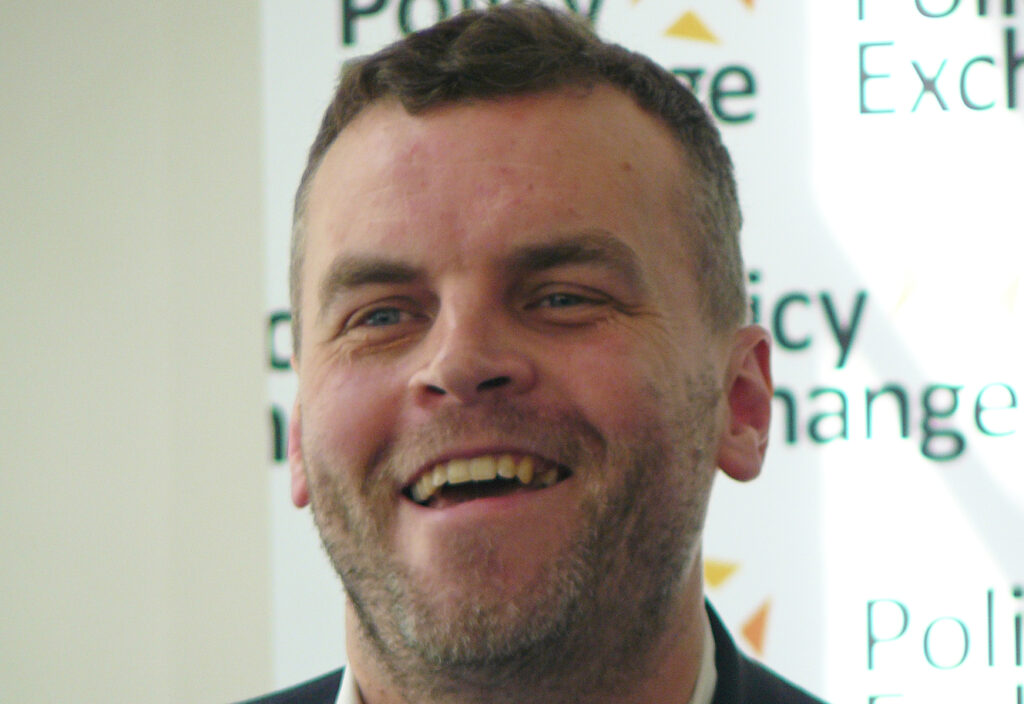
Who Is Robbie Talbot? The Complete Story of the “Halloween Hitman”
Robbie Talbot is a name that might not ring a bell to the average football fan, but to the followers of non-league English football, he’s a legend — a prolific striker, a fighter, and a man whose story weaves through triumph, tragedy, and reinvention.
Early Life and Beginnings
Born Robert “Robbie” Talbot on 31 October 1979 in Liverpool, England, Talbot showed early promise as a footballer. He began his youth career at Blackpool, but it wasn’t long before he made his way into the senior circuit. This was the start of what would become a notable non-league career.
Rise Through Non-League Football
Robbie Talbot’s professional journey began in earnest in 1998, when he joined Marine, a club based in Merseyside. During his stint there, he played 20 matches and scored 4 goals. Although modest, it was a solid proving ground.
In 1999, Talbot signed with Burscough, where he exploded into form. In two seasons, he made 34 appearances and netted 28 goals, showcasing the lethal finishing ability that would define his career.
The Morecambe Chapter
In 2001, Talbot was bought by Morecambe for a fee of £9,000. At Morecambe, he truly made his mark: over his tenure, he scored 29 goals in 55 league appearances. His time there helped him build a reputation as one of the most dangerous strikers in non-league football.
His birthday on Halloween (October 31) helped earn him the nickname “Halloween Hitman” — a moniker that Morecambe fans embraced, given his uncanny ability to strike fear (and goals) out of nowhere.
Time at Burton Albion
Talbot’s next move was to Burton Albion in 2003, for a fee of £7,000. This was arguably the highlight of his career. At Burton, he played 52 games and scored 28 goals — an impressive tally.
One of his standout moments came in a Birmingham Senior Cup match, where Talbot scored a double hat-trick (six goals) in an 8–0 demolition of Alvechurch. It was a performance that etched his name into the club’s lore.
Tragedy Strikes: The Car Accident
In the summer of 2004, Talbot’s life took a dark turn. While at Burton Albion, he was involved in a serious car accident. The injuries he sustained were severe and had long-term consequences for both his health and his football career.
Although he made a recovery, his appearances became limited. The physical toll of the accident lingered and ultimately influenced his decision to step away from higher-intensity football.
Later Playing Career and Retirement
After Burton Albion, Robbie Talbot continued his career at Droylsden, where he played from 2005 to 2008, recording 19 goals in 18 games — a striking goal-per-game ratio that spoke volumes about his natural talent, even post-accident.
He also had loan spells and short stints at different clubs:
- A loan back to Marine in 2008 (though he didn’t make league appearances during that loan) Wikipedia+1
- A brief stint with Bangor City, appearing 4 times and scoring once Wikipedia+1
- Finally, he joined Ashton in 2008 and played until 2010, scoring 4 goals in 15 appearances before calling time on his playing days. Wikipedia
By the end of his playing career, Talbot had accumulated 198 league caps and scored 113 goals — an impressive tally that cements his status as a non-league legend. Wikipedia
Transition to Coaching
Talbot didn’t stray far from the pitch after he retired. In 2010, he became the assistant manager at Ashton United. While he brought his prolific forward experience into coaching, his time as assistant was relatively short.
By 2011, he stepped away from coaching due to family and work commitments. Wikipedia His early exit from this role suggests that his priorities had shifted, perhaps influenced by the long-term impact of his earlier injuries and the need to focus on life beyond football.
Personal Life: Family, Relationships, and Public Spotlight
Robbie Talbot’s personal life has occasionally made headlines, especially due to his relationship with Helen Flanagan, a well-known British actress.
Relationship with Helen Flanagan
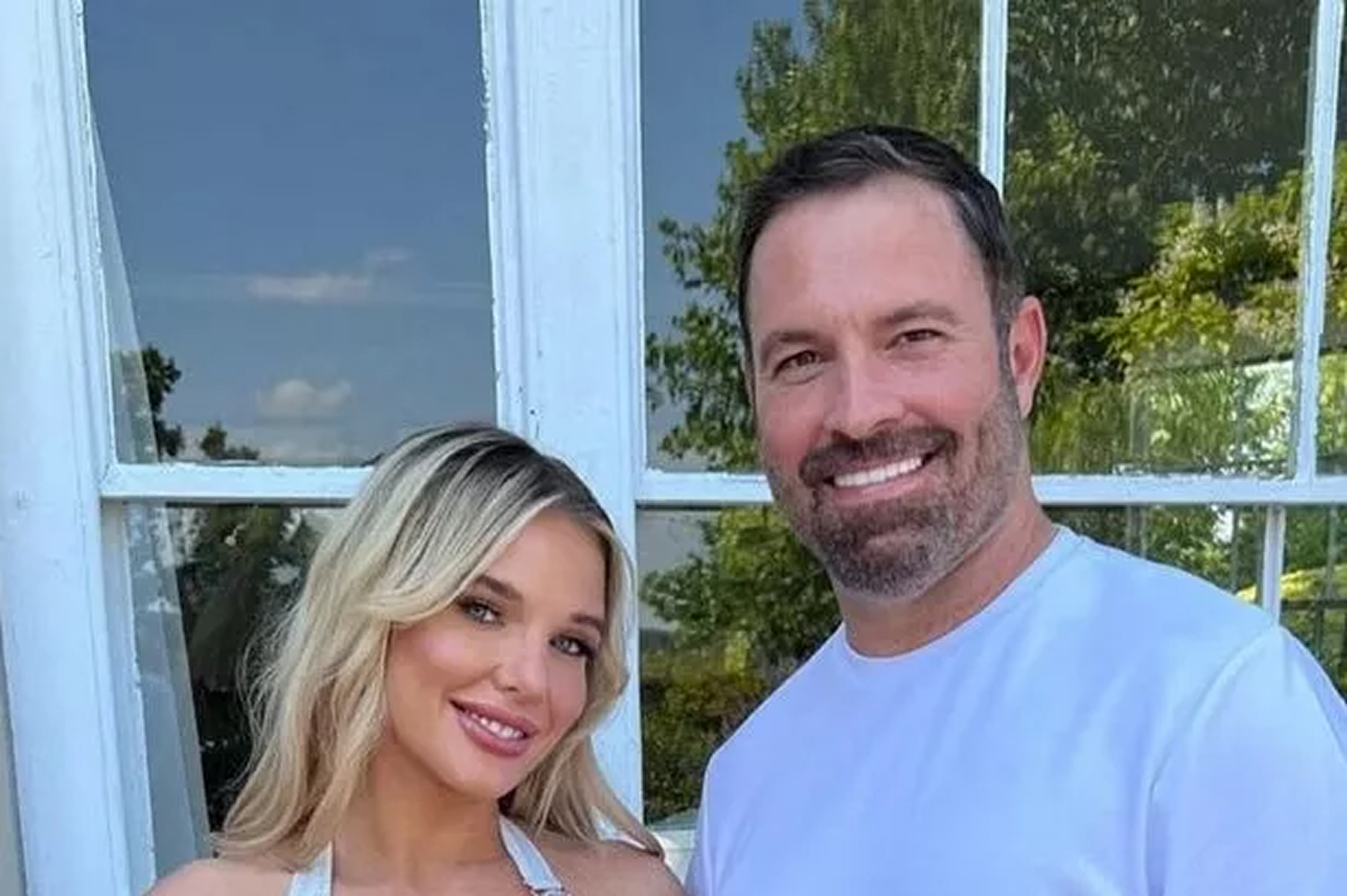
Talbot and Flanagan began dating and became a public couple, attracting significant media attention. UK Journal+1 According to reports, at one point Talbot moved into Flanagan’s home, showing how serious their relationship had become. Goss.ie
However, by May 2025, the relationship ended. The Standard It was reported that both parties decided to part ways amicably, citing “different life goals.” The Standard
One particularly public incident was Flanagan’s six-month driving ban, which stemmed from speeding violations while Talbot was driving her Audi. echo live This episode added drama to their relationship and drew media scrutiny.
Fatherhood
Outside his romantic life, Talbot is also known to be a devoted father. He has two daughters from a previous relationship. UK Journal His role as a parent appears central to his post-football identity, influencing his decisions and how he balances life.
Legacy and Impact
Although Robbie Talbot never played in the top tiers of English football, his legacy in non-league football is significant. Here are some of the key reasons why he remains a memorable figure:
- Goal-Scoring Prowess: With over a century of league goals, Talbot consistently demonstrated an exceptional instinct for finding the back of the net.
- Resilience: Surviving a serious car accident and still managing to return to competitive football shows his mental and physical strength.
- Influence in Non-League Football: Talbot’s performances at clubs like Morecambe and Burton Albion helped elevate the status and competitive spirit of lower-tier football.
- Role Model Beyond the Pitch: His transition to coaching and his dedication to his family portray him as a grounded individual who values more than just the glamour of sport.
- Public Interest: His personal life, especially his relationship with a celebrity, brought him into mainstream media, which introduced non-league legends to a broader audience.
Lessons from Robbie Talbot’s Journey
Robbie Talbot’s life story offers several insights and lessons that resonate beyond football:
- Passion Over Fame: Talbot never reached the Premier League, but his love for the game and his ability to dominate in non-league tiers prove that passion wins over prestige.
- Overcoming Adversity: The car accident could have ended his career. Instead, he bounced back, showing that setbacks don’t define you.
- Balance: By stepping into coaching and prioritizing his family, Talbot illustrates the importance of life beyond professional achievements.
- Legacy Matters: Even if you’re not a global superstar, consistent performance, character, and resilience build a legacy.
Why Robbie Talbot Still Matters Today
In the world of football, where attention tends to gravitate toward the top leagues, figures like Robbie Talbot offer a refreshing reminder: the heart of the game often beats strongest in the grassroots.
- For non-league fans, he’s a symbol of true goal-scoring excellence.
- For younger players, he’s a role model who shows that a humble start can lead to lasting impact.
- For the broader public, his personal story — blending sport, love, struggle, and redemption — makes him relatable and inspiring.
Even years after hanging up his boots, Talbot’s name pops up in discussions, interviews, and media features, particularly when his relationship with Helen Flanagan brings him back into the spotlight.
Conclusion
Robbie Talbot’s life is more than a footnote in non-league football history — it’s a compelling narrative of ambition, talent, hardship, and resilience. From his early days in Liverpool to earning the nickname “Halloween Hitman,” from surviving a near-fatal car crash to stepping into coaching, Talbot’s journey is a testament to the human spirit.