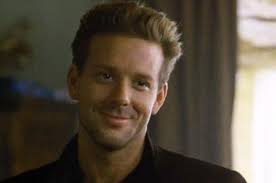
Mickey Rourke Young: The Rise, Charisma, and Early Journey of a Hollywood Rebel
Few Hollywood stories are as fascinating, turbulent, and unforgettable as that of Mickey Rourke. Known today for his rugged looks, comeback roles, and unapologetic attitude, Rourke’s early years in film tell the story of a magnetic young man who was once the very definition of raw talent and movie-star allure. To understand his complex legacy, one must look back to the days when Mickey Rourke was young, when his name was synonymous with promise, passion, and the rebellious spirit that defined 1980s cinema.
Early Life and Ambitions
Born Philip Andre Rourke Jr. on September 16, 1952, in Schenectady, New York, Mickey Rourke’s early life wasn’t easy. His parents divorced when he was young, and he moved with his mother to Miami, Florida. Growing up in a working-class family, Rourke found solace in sports and physical challenges—traits that would shape his future both inside and outside of Hollywood.
While many actors are drawn to the stage early, young Mickey’s first passion wasn’t acting—it was boxing. At age 12, he began training and developed a deep love for the sport. By his late teens, he had an impressive amateur record, even sparring with future legends. But after suffering a concussion during one of his matches, Rourke decided to take a break from the ring.
This pause would change his life. During this time away from boxing, he began exploring acting, discovering a talent that would soon make him one of the most magnetic faces in Hollywood.
Mickey Rourke’s Acting Breakthrough
When Mickey Rourke was young and just starting out, he studied at the Actors Studio in New York, where he trained under the legendary Lee Strasberg. Rourke immersed himself in the Method acting approach, which emphasized emotional authenticity and deep psychological realism.
His first big break came with a small but memorable role in “Body Heat” (1981), where he played an ex-con named Teddy Lewis. Though his screen time was brief, audiences and critics took note of the intensity in his performance. The film’s success put young Mickey Rourke on the radar of Hollywood’s elite.
Soon after, Rourke began landing leading roles that showcased his charisma, depth, and undeniable screen presence. Movies like “Diner” (1982), “Rumble Fish” (1983), and “The Pope of Greenwich Village” (1984) turned him into a cult favorite and a sex symbol of the decade.
The Magnetic Appeal of a Young Mickey Rourke
In the 1980s, Mickey Rourke was unlike any other actor in Hollywood. He wasn’t polished like Tom Cruise or the all-American hero type like Kevin Costner. Instead, he had a raw, unpredictable energy that made him fascinating to watch.
When people talk about “Mickey Rourke young,” they often describe a man with striking good looks—intense eyes, full lips, and a rebellious charm that made him irresistible on screen. But beyond his looks, Rourke had an authenticity that felt almost dangerous. He played men who were conflicted, vulnerable, and deeply human.
In “Diner”, his portrayal of Boogie, a smooth-talking hairdresser, was both funny and tragic. In Francis Ford Coppola’s “Rumble Fish,” Rourke’s brooding performance as the Motorcycle Boy cemented his reputation as one of the most intriguing young actors of his generation. Critics compared him to icons like Marlon Brando and James Dean—two legends known for their emotional intensity and rebellious spirit.
The 1980s: The Peak of His Stardom
As the decade went on, Rourke’s fame skyrocketed. He became the face of films that defined the gritty, sensual energy of the 1980s. His most famous role from that era came in “9½ Weeks” (1986) opposite Kim Basinger.
The movie, filled with erotic tension and psychological complexity, made Rourke an international star. Audiences were captivated by his mix of tenderness and danger. The film remains one of the most talked-about performances of his career—and one that solidified his status as a cultural icon.
He followed that success with roles in “Angel Heart” (1987), where he starred alongside Robert De Niro in a haunting supernatural thriller, and “Barfly” (1987), where he embodied poet Charles Bukowski’s alter ego, Henry Chinaski. In “Barfly,” Rourke’s portrayal of a down-and-out writer living on the fringes of society was both tragic and poetic—a role that seemed to echo his own restless spirit.
A Rebellion Against Hollywood
But fame came with a price. Despite his talent, young Mickey Rourke had a complicated relationship with Hollywood. Known for his strong opinions and disdain for the superficial side of the industry, he often clashed with directors, producers, and studio executives.
In interviews from the late 1980s, Rourke openly criticized the Hollywood system, saying he didn’t want to play by its rules. His authenticity, once his greatest strength, became a double-edged sword. While fans admired his honesty, the industry found him difficult to work with.
His refusal to compromise and his unpredictable nature led to missed opportunities and strained relationships. By the early 1990s, Rourke began to drift away from Hollywood entirely.
Mickey Rourke’s Return to Boxing
Disillusioned with acting, Rourke made a shocking decision—he returned to professional boxing. In 1991, at nearly 40 years old, he climbed back into the ring. He fought in several matches and remained undefeated, but the sport took a physical toll on him.
Years of punches and injuries left lasting damage. Rourke underwent multiple surgeries to repair his face, which dramatically altered his appearance. The once strikingly handsome young actor was almost unrecognizable.
Yet even in his struggles, Rourke’s determination and resilience shone through. His life mirrored the characters he often portrayed—flawed, bruised, but never defeated.
The Comeback: From Obscurity to “The Wrestler”
After years away from the spotlight, Rourke made one of Hollywood’s most remarkable comebacks. In 2008, he starred in “The Wrestler,” directed by Darren Aronofsky. The film told the story of a washed-up professional wrestler trying to find redemption—an art imitating life moment that resonated deeply with audiences.
His performance earned him a Golden Globe Award, a BAFTA, and an Academy Award nomination for Best Actor. Critics called it the performance of a lifetime. The emotional depth and vulnerability he brought to the role reminded the world of just how powerful Mickey Rourke once was when he was young, and how much he still had to offer.
Legacy of a Young Rebel
Looking back at Mickey Rourke’s early years, it’s clear that his story is one of contradictions—beauty and brutality, success and self-destruction, fame and rejection. When fans search for “Mickey Rourke young,” they’re often struck by the sheer magnetism he exuded, both on and off screen.
He wasn’t just another Hollywood star—he was a symbol of a generation that valued authenticity over perfection. Even at his most rebellious, Rourke embodied the kind of fearless individuality that many actors today still admire.
Why Young Mickey Rourke Still Captivates
Decades later, photos and clips of a young Mickey Rourke continue to circulate on social media, sparking nostalgia and admiration. His piercing gaze, his effortless cool, and his intense performances remain timeless.
But perhaps what makes him so enduring isn’t just his beauty or talent—it’s his humanity. Rourke’s life has been marked by triumphs and heartbreaks, mistakes and comebacks. His journey reminds us that even the brightest stars can fall—and rise again.
Final Thoughts
The story of Mickey Rourke young is more than just a tale of fame and good looks—it’s a story about passion, authenticity, and resilience. From his beginnings as a boxer in Miami to his meteoric rise in Hollywood and his later reinvention, Rourke’s life is a testament to the power of staying true to oneself.