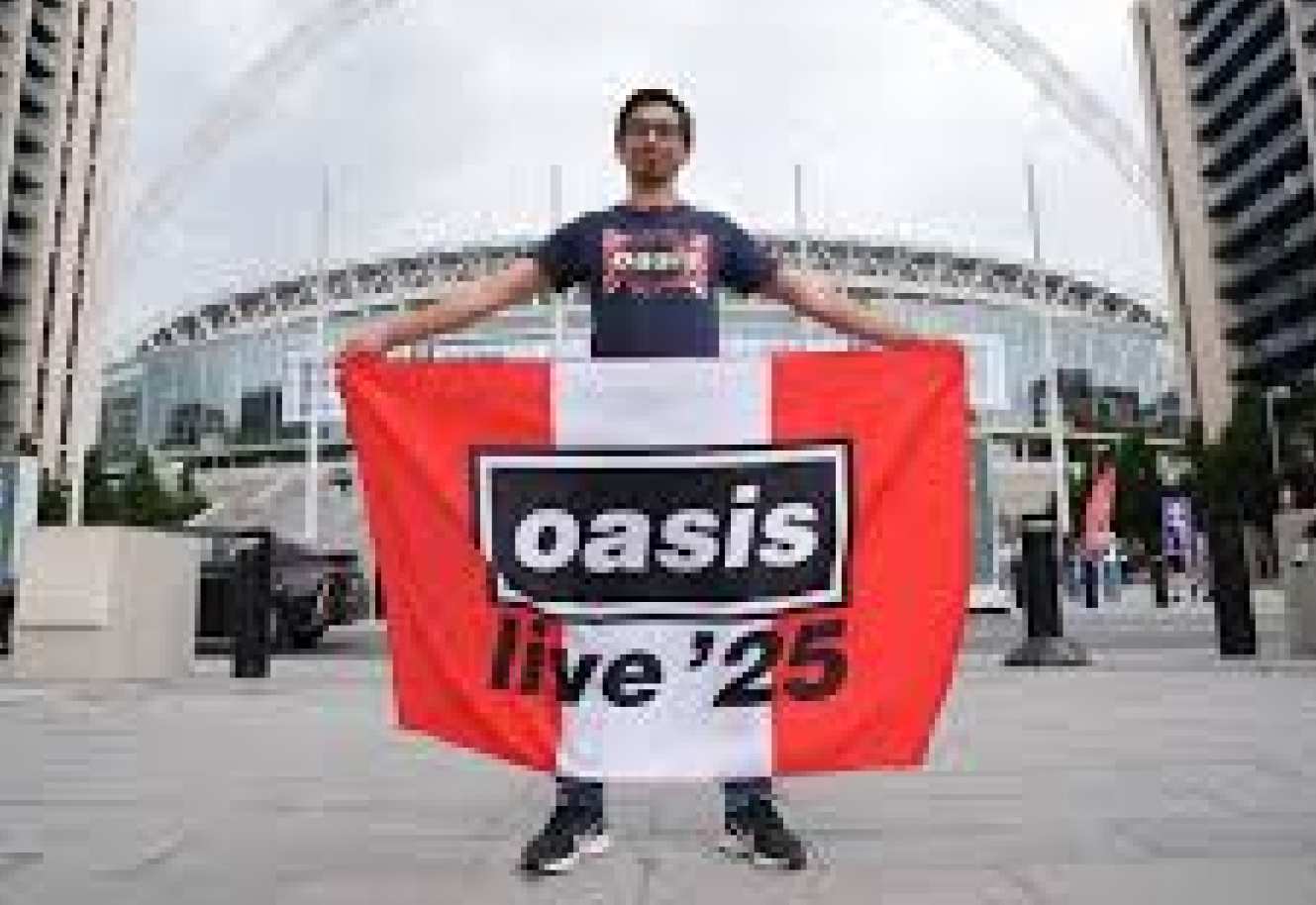
When Did Oasis Last.Play Wembley Stadium? A Deep Dive into Their Iconic Shows and Legacy
For music lovers, Britpop fans, and Oasis loyalists worldwide, one question often resurfaces: When did Oasis last.play Wembley Stadium?
Although the band officially split in 2009, the memory of their era-defining live concerts — especially at one of the world’s most renowned venues — remains powerful. Wembley Stadium is more than just a performance space; for Oasis, it became a symbol of their dominance at the height of their career.
If you’re searching for when Oasis last played Wembley Stadium, the answer is firmly rooted in the year 2000, a time when the Gallagher brothers were ruling the British rock scene with swagger, anthems, and unrivaled influence. Oasis played their last Wembley gigs over two consecutive nights in July 2000, delivering performances that would later be immortalized in the documentary “Oasis: Familiar to Millions.”
But to fully understand the importance of those final Wembley shows, it’s essential to explore the band’s history, the era leading up to those concerts, and the legacy that remains today. This in-depth guide examines everything you need to know about Oasis at Wembley — the last performances, the atmosphere, the songs, and the cultural impact that remains unmatched.
The Quick Answer: When Did Oasis Last Play Wembley Stadium?
Oasis last performed at Wembley Stadium on 21 and 22 July 2000.
These were the final Wembley concerts they ever played as a band, marking the peak of their Standing on the Shoulder of Giants tour. The shows were attended by tens of thousands of fans and became two of the most iconic live events in Oasis history.
Why the 2000 Wembley Shows Were So Significant
By the year 2000, Oasis had already cemented themselves as one of the biggest British bands since The Beatles. They had sold millions of albums worldwide, produced era-defining hits like Wonderwall, Don’t Look Back in Anger, and Champagne Supernova, and shaped an entire generation of rock music.
But the Wembley shows represented more than just performances — they symbolized the band’s transition from their chaotic early years into a new chapter marked by creative evolution, lineup changes, and internal tension.
1. A New Direction After Turbulent Times
The release of Standing on the Shoulder of Giants in early 2000 marked a shift in sound. While the album received mixed reviews, it showcased Oasis experimenting with new styles and more mature themes. By the time they reached Wembley, the band was navigating a changed musical landscape and their own growing challenges.
2. The First Major Shows With a New Lineup
These Wembley concerts were among the earliest large-scale performances featuring the newer members after the departure of founding rhythm guitarist Paul “Bonehead” Arthurs and bassist Paul McGuigan. Their exit was a major turning point for Oasis, and fans were curious to see how the new formation would hold up in such a monumental venue.
3. Captured Forever in a Documentary
The 2000 Wembley concerts were filmed and later released as “Familiar to Millions,” giving fans worldwide the chance to relive or experience the shows for the first time. This release preserved the energy, crowd atmosphere, and Oasis’s undeniable power on stage.
A Look Back at the 2000 Wembley Setlist
The two-night musical experience at Wembley featured a blend of old favorites, new releases, and unforgettable anthems. Although the exact setlist varied slightly between the two nights, fans were treated to classics that defined British rock in the ’90s and early 2000s.
Some of the standout songs typically included:
- Go Let It Out
- Who Feels Love?
- Supersonic
- Shakermaker
- Acquiesce
- Live Forever
- Gas Panic!
- Wonderwall
- Don’t Look Back in Anger
- Champagne Supernova
- Rock ‘n’ Roll Star
Each track brought the Wembley crowd to life, proving once again why Oasis concerts were legendary. Liam Gallagher’s distinct voice, paired with Noel Gallagher’s songwriting mastery, created an electric atmosphere few bands could replicate.
The Atmosphere: What It Was Like to See Oasis at Wembley
Fans often describe the 2000 Wembley concerts as “once-in-a-lifetime” moments. The massive stadium buzzed with energy from the moment the first chords were struck to the final encore.
An Audience of Tens of Thousands
Both nights were sold out, proving the band’s incredible pull even during a shifting phase of their career. The audience included lifelong fans, new listeners, and music lovers drawn by Oasis’s unmatched charisma.
The Gallagher Brothers in Full Form
If you were at Wembley, you witnessed the Gallagher brothers at a rare intersection of tension and unity. Their personalities — Liam’s raw intensity and Noel’s composed brilliance — collided and harmonized in ways that only Oasis could deliver.
Stadium-Sized Singalongs
Few bands have crowds that sing every word of every song. But at Wembley, the stadium echoed with tens of thousands of voices belting out anthem after anthem. Don’t Look Back in Anger in particular became a defining moment — a chorus that turned into a powerful shared experience.
Why Oasis Never Returned to Wembley Stadium
After 2000, Oasis went on to perform at other notable venues, including Knebworth, Heaton Park, and arenas across the world. But they never returned to play Wembley Stadium.
The reason? Timing, evolution, and the eventual breakup of the band.
1. Changing Musical Priorities
As Oasis continued into the 2000s, their tours focused heavily on new material, different venues, and global audiences. Wembley simply didn’t fall into their later touring cycles.
2. Internal Band Issues
The Gallagher brothers’ relationship was famously unstable, and the internal conflicts only grew stronger. By 2009, tensions came to a head, leading to the sudden breakup of Oasis backstage in Paris.
3. The End of an Era
Once the band dissolved, any chance of a reunion — and therefore any return to Wembley — faded. Despite constant fan hopes and media rumors, both Noel and Liam have repeatedly stated that an Oasis reunion is unlikely.
The Legacy of the Last Wembley Shows
Even though Oasis never returned to Wembley, their 2000 shows left a lasting impact on British music history.
1. Cementing Oasis’s Place in Rock History
Oasis had already achieved superstardom, but Wembley solidified their position among the greatest live acts of all time. The concerts showcased their power, resilience, and ability to captivate massive audiences.
2. A Cultural Touchstone for Fans
For fans, the 2000 Wembley gigs became symbolic — a final celebration of Oasis at their peak on one of the world’s most iconic stages.
3. The Documentary Keeps the Moment Alive
Through Familiar to Millions, new generations continue to discover Oasis’s Wembley performances, keeping the band’s legacy alive even without reunions or new albums.
Could Oasis Ever Play Wembley Again?
The possibility of an Oasis reunion remains one of music’s most discussed topics. While fans hope for a comeback, both Gallagher brothers are focused on separate careers: Noel with his High Flying Birds, and Liam with his successful solo work and collaborations.
Though unlikely, if Oasis ever reunited, Wembley Stadium would be the perfect venue for their return. Until then, the 2000 shows stand as the band’s final and most powerful performances at the stadium.
Final Thoughts
So, when did Oasis last play Wembley Stadium?
Their final concerts took place on 21 and 22 July 2000, marking a significant moment in both their career and music history. These performances captured the spirit of a band that defined a generation — energetic, unforgettable, and uniquely powerful.