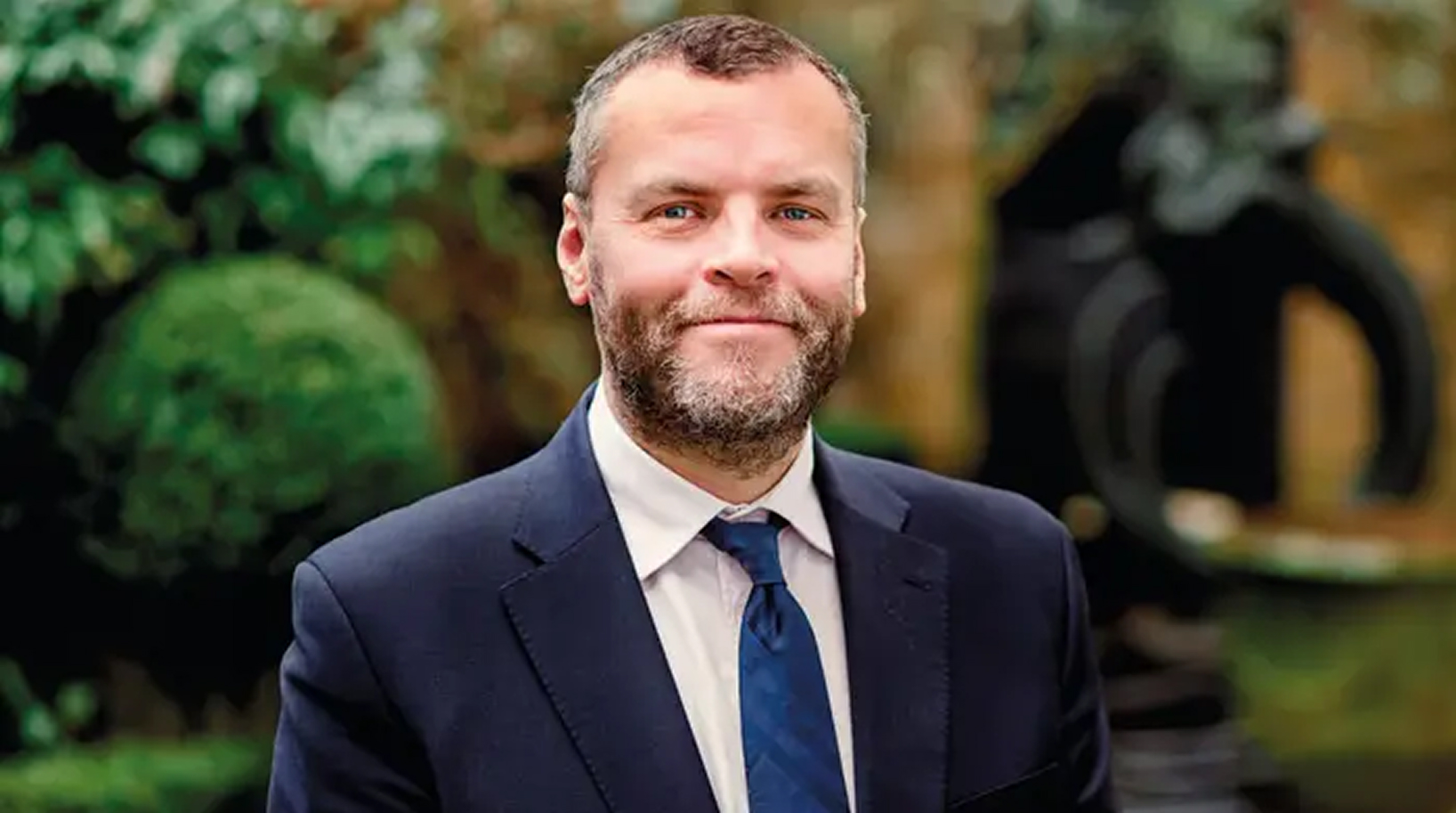
Understanding Tim Montgomerie’s Health Journey: A Look Behind the Headlines
When people search for “Tim Montgomerie health problems,” it’s often driven by the human need to see our public-figures as complete individuals—not just voices on commentary panels or bylines in newspapers. In this piece, we’ll unpack what is publicly known about Tim Montgomerie’s health, the interplay between his professional life and well-being, and why his experience resonates in a broader conversation about mental health, stress and resilience in high-profile work.
Who is Tim Montgomerie?
Before diving into health specifics, it’s helpful to recap who Tim Montgomerie is and why his story matters.
- Born 24 July 1970, Montgomerie is a British political activist, blogger, columnist and thinker. Wikipedia+1
- He co-founded the think-tank the Centre for Social Justice and created the website ConservativeHome, editing it from 2005 to 2013. Wikipedia
- Over the years he’s held various roles: speech-writer for the Conservative Party, social justice adviser to a Prime Minister, media commentator. Wikipedia+1
- His work brings together politics, faith, family and social policy—a busy, high-stakes orbit.
Given this background, it isn’t surprising that Montgomerie’s health (particularly his mental health) has been brought into focus.
What health issues has he publicly mentioned?
Mental Health and Stress
One of the clearest points of disclosure came from Montgomerie himself via social media:
“In an interview … I talked about the mental health struggles I have experienced over recent years – especially during lockdown.” X (formerly Twitter)
From that, we can glean that:
- He acknowledges experiencing mental-health challenges (which may include anxiety, low mood or stress) during the pandemic period.
- “Lockdown” likely refers to 2020-2021 when many people faced isolation, intense work-life pressures, and uncertainty.
- While he hasn’t publicly listed a specific diagnosis in widely-reported sources, the mention itself is important: it signals openness and may encourage others to speak up.
Fatigue, Work-load and Pressure
In various media comments, Montgomerie has also spoken of being “absolutely exhausted at the end of this week” in response to political events. Facebook
While this doesn’t directly indicate a chronic health condition, it points to the toll of sustained public-facing work: high demands, shifting news cycles, emotional workload.
No Verified Physical Illness Publicly Known
From the accessible publicly-documented sources, there’s no consistent reporting of a major disclosed physical illness (e.g., a long-term disease or hospitalisation) that Montgomerie has widely spoken about or that media have broadly covered. Searches of his biography and interviews do not show a major physical health condition being the focus. (This doesn’t rule out private health matters, but we work only with what’s public.)
Why this matters: The intersection of public life & health
1. The stigma and value of openness
When a public figure like Montgomerie speaks about mental-health struggles, it helps with destigmatisation. It shows that regardless of one’s platform or position, mental health is a universal concern.
2. The pressure cooker of politics and media
Montgomerie’s roles—political commentator, adviser, writer—bring intense demands: deadlines, public scrutiny, fast-moving issues. The fatigue he refers to is emblematic of the “always-on” culture many in public-facing and media roles experience.
3. Work–life balance and personal well-being
In several interviews Montgomerie emphasises family, faith and the importance of stable relationships. These are protective factors for health (especially mental health). His acknowledgment of struggles suggests he recognises the tensions between professional commitment and personal well-being.
4. The pandemic amplification effect
His reference to “especially during lockdown” is salient: for many, the pandemic intensified stressors (job insecurity, isolation, blurred work-home boundaries). Montgomerie’s mention connects his experience to a broader societal moment.
Lessons we can draw from his experience
Whether you follow his politics or not, Montgomerie’s health disclosure gives several broader take-aways:
A. Speaking up matters
Admitting to mental health struggles does not show weakness: it shows self-awareness. It opens the door for support, and invites conversations rather than hiding in silence.
B. Recognise burnout signs
Feeling persistently exhausted, mentally drained, or emotionally flat—even if there’s no single crisis event—is a red flag. Montgomerie’s remark about being “absolutely exhausted” is in this category.
C. Make space to recharge
High-demand roles require rest, detachment and boundaries. Public or private, the message is the same: you can’t pour from an empty cup.
D. Use personal values as anchors
Montgomerie often cites faith, family and purpose as central. These anchors help resilience when external pressures mount. Finding your own anchors matters for mental health.
E. Seek support when needed
Whether that means therapy, peer support, or simply taking time away from the spotlight—recognising when you need help is a key part of health-literacy.
Why the keyword “Tim Montgomerie health problems” gains traction
- Curiosity: People often want to know if influential figures face health challenges—are they “like us”?
- Relevance to social discourse: The interplay of stress, politics, media and mental health is increasingly topical, and Montgomerie is a figure at that intersection.
- Human interest: Beyond his opinions, readers want to understand the person behind the voice—his struggles make him more relatable.
SEO-Optimised Summary & Key Points
When optimising for searches like “Tim Montgomerie health problems”, it’s helpful to include:
- Use his full name and variations (“Tim Montgomerie”, “Tim Montgomerie health”, “Tim Montgomerie mental health”).
- Address the query directly: state what is publicly known, what is not, and the significance.
- Include sub-headings and keywords: mental health, fatigue, public figure, politics, stress.
- Ensure the article meets length (as requested: 1,200+ words) and is reader-friendly with bullet points and lists.
- Avoid unverified rumors; stick to what the subject has publicly stated or credible media reports have documented.
Conclusion
Tim Montgomerie’s journey with his health—particularly his mental-health reflections—is a meaningful reminder that even high-profile commentators face the same human vulnerabilities many of us do. His acknowledgment of emotional strain during lockdown and the exhaustion he’s voiced underscores that public life carries hidden stresses.